By: Luiza Vianna
With the rising popularity of artificial intelligence (AI) and machine learning (ML) in the world of work, it is not surprising that the design industry is seeking an increased use of AI & ML too. The design process, with many phases and iterations, opens opportunities for the application of these technologies that amplify the human interactions that enable design. For instance, prototypes can be created rapidly through generative algorithms with designer-defined specifications and adjustment until the given criteria is satisfied. AI and ML can be utilized to develop an understanding of a designed product’s reception through sentiment analysis and behavior pattern recognition. This kind of assistance can allow for more efficient, creative, and exploratory design practice.
Perhaps the most common adoption of ML in design is the automation of simple, monotonous tasks that AI can complete more efficiently, or accurately, than humans. Tasks like transcribing or digitizing interviews, drafting preliminary layouts, synthesizing personas, or analyzing data fall into this category. Notably, design industry experts have been found to make intuitive choices as they simultaneously think and create in their design practice. In these moments, they still prefer to have the freedom to explore data, especially when it contrasts their intuitions, and comprehend the systems utilized to best exercise their expertise (Simkute et al., 2021). AI and ML can offer this perspective.
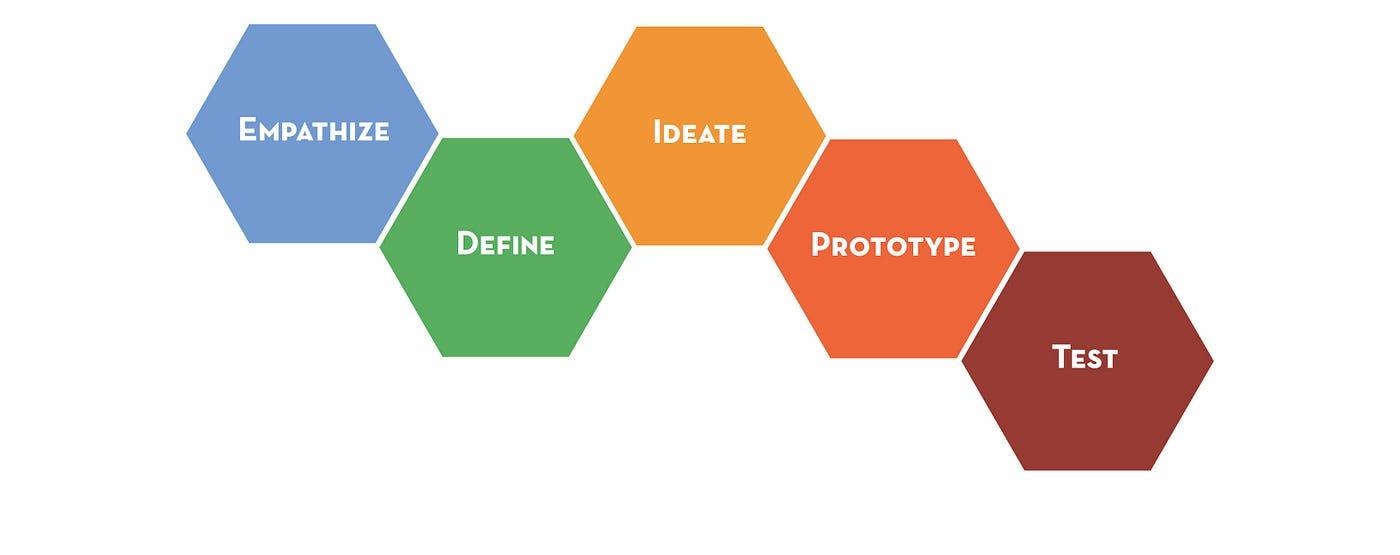
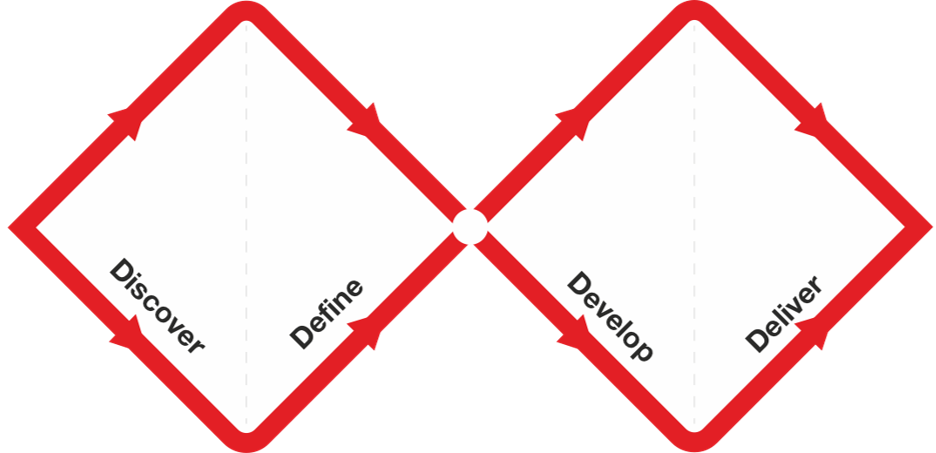
Beyond routine tasks, the role of ML can be explored within structured design frameworks. Design thinking can be defined as “a methodology for innovation that combines creative and analytical approaches and requires collaboration across disciplines” (Chao, 2015). A number of frameworks have been set to concretize its abstract nature. One is the Stanford d.school’s model, consisting of five steps: empathize, define, ideate, prototype, and test. Another is the Design Council’s Double Diamond, showcasing the cyclical essence of the two main design processes, split into Discover & Design and Develop & Deliver. Designers will pursue a divergent exploration of issues to resolve, converge to the principal obstacles, divergently prototype potential solutions, and convergently choose the best alternative after testing (Lu et al., 2024).
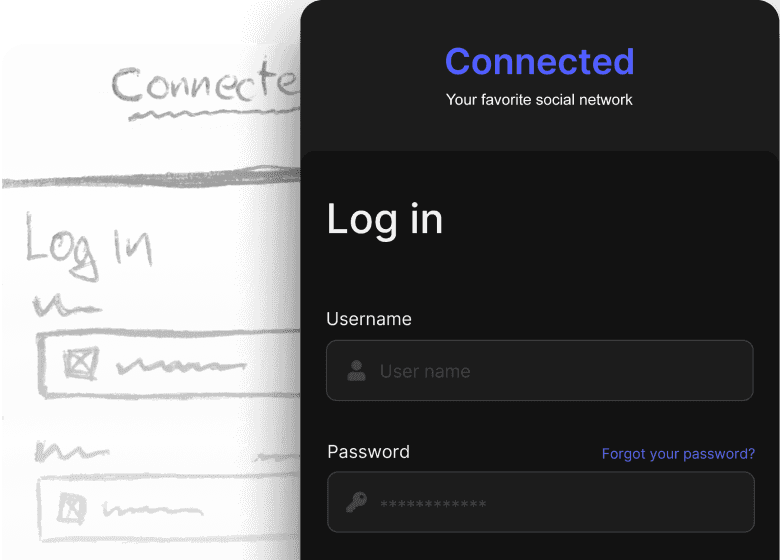
Platforms such as Uizard and Framer generate UI screens from natural language descriptions, prototyping leaders Figma and Banani have applied new AI plugins, and chatbots including Claude and Gemini now produce images. Features include the generation of digital designs from hand-drawn wireframes, original plugins for project use, improved design-to-code workflows, and the creation of multi-screen clickable prototypes from design references.
Artificial intelligence does not necessarily need to be adopted for the generation of ideas – it can also be considered a supporting tool in the decision-making timeline, or a kind of Decision Support System (DSS). These systems, however, are arguably not prepared to reach their full potential independently. Human oversight is still needed to ensure lack of algorithmic bias and errors, as well as accountability and intention in decision-making. Design is a field that demands an empathy building process which fails to be practically integrated with ML due to the system’s limited comprehension of a designer’s needs.
With the integration of ML and AI in the diverse design thinking frameworks, it appears more complementary than substitutive to the design process, as it lacks the emotional elements of the human eye essential to behavioral analysis, need comprehension, and user-centric prototyping. Thus, the short-term future of design lies in the intersection of human and machine, but the long-term is open to speculation.
References
Chao, G. (2015, May 15). What is design thinking? The Stanford Daily. https://stanforddaily.com/2015/05/15/what-is-design-thinking/
IDEO U Team. (2025, June 20). The intersection of design thinking and AI: Enhancing innovation. IDEO U. https://www.ideou.com/blogs/inspiration/ai-and-design-thinking?srsltid=AfmBOor_BdmqsVwKy4OGCUuyGJELiJ9m-TlcO9Sf7n_B5TiPhoZY0qbo
Lu, Y., Yang, Y., Zhao, Q., Zhang, C., & Li, T. J.-J. (2024, February 13). AI assistance for UX: A literature review through human-centered AI. arXiv. https://arxiv.org/abs/2402.06089
Trocin, C., Stige, Å., & Mikalef, P. (2023). Machine Learning (ML) diffusion in the design process: A study of Norwegian design consultancies. Technological Forecasting and Social Change, 194, 122724. https://doi.org/10.1016/j.techfore.2023.122724
Simkute, A., Luger, E., Jones, B., Evans, M., & Jones, R. (2021). Explainability for experts: A design framework for making algorithms supporting expert decisions more explainable. Journal of Responsible Technology, 7–8, Article 100017. https://doi.org/10.1016/j.jrt.2021.100017