By: Design Studies Institute Staff
It will always feel like it’s been forever since COVID came about, and yet perhaps it happened yesterday, too. Since the pandemic, we’ve seen drastic and dynamic shifts in our work, educational, and personal lives. Yet with all the uncertainty that the pandemic fostered, one thing is certain: some changes made during the pandemic are here to stay. These changes become an opportunity to practice adaptability and explore the ways the pandemic has altered the landscape for students and professionals alike in the design industry.
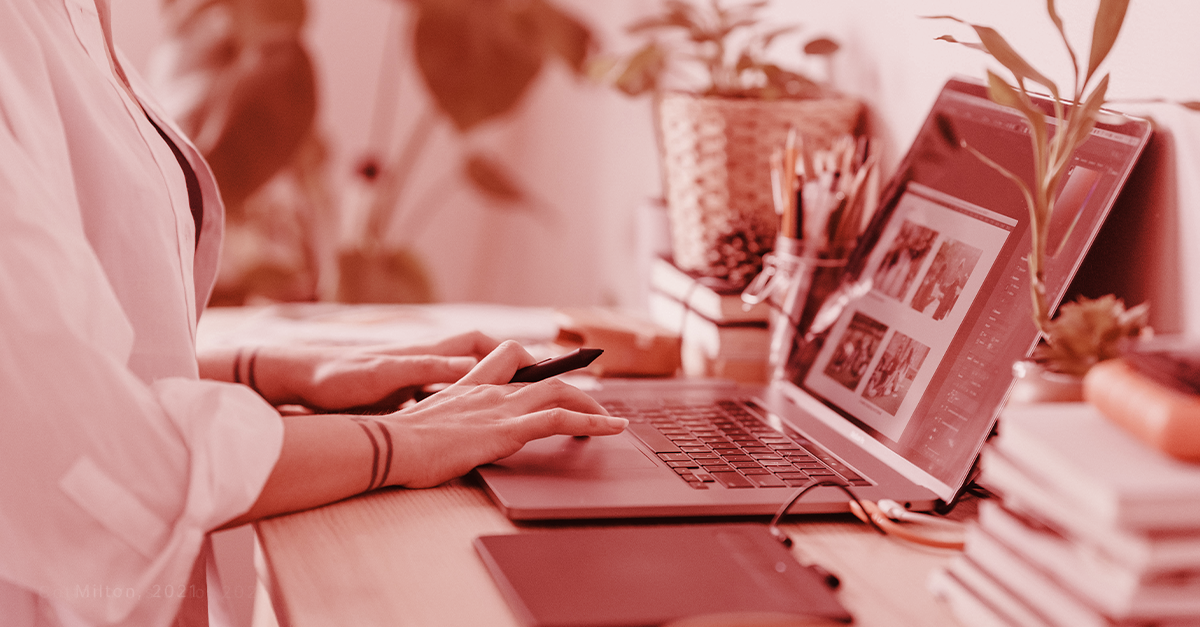
For many freelance designers, working remotely is nothing new. Setting up an office at home or in a local coffeeshop is the norm. Though, for designers who are employees at any small, mid, or large-sized company, working remotely for the first time can be a culture shift. This new environment can include a less-than-stable internet connection or distractions around every corner. Finding your flow in a remote environment is an exercise in discipline and focus.
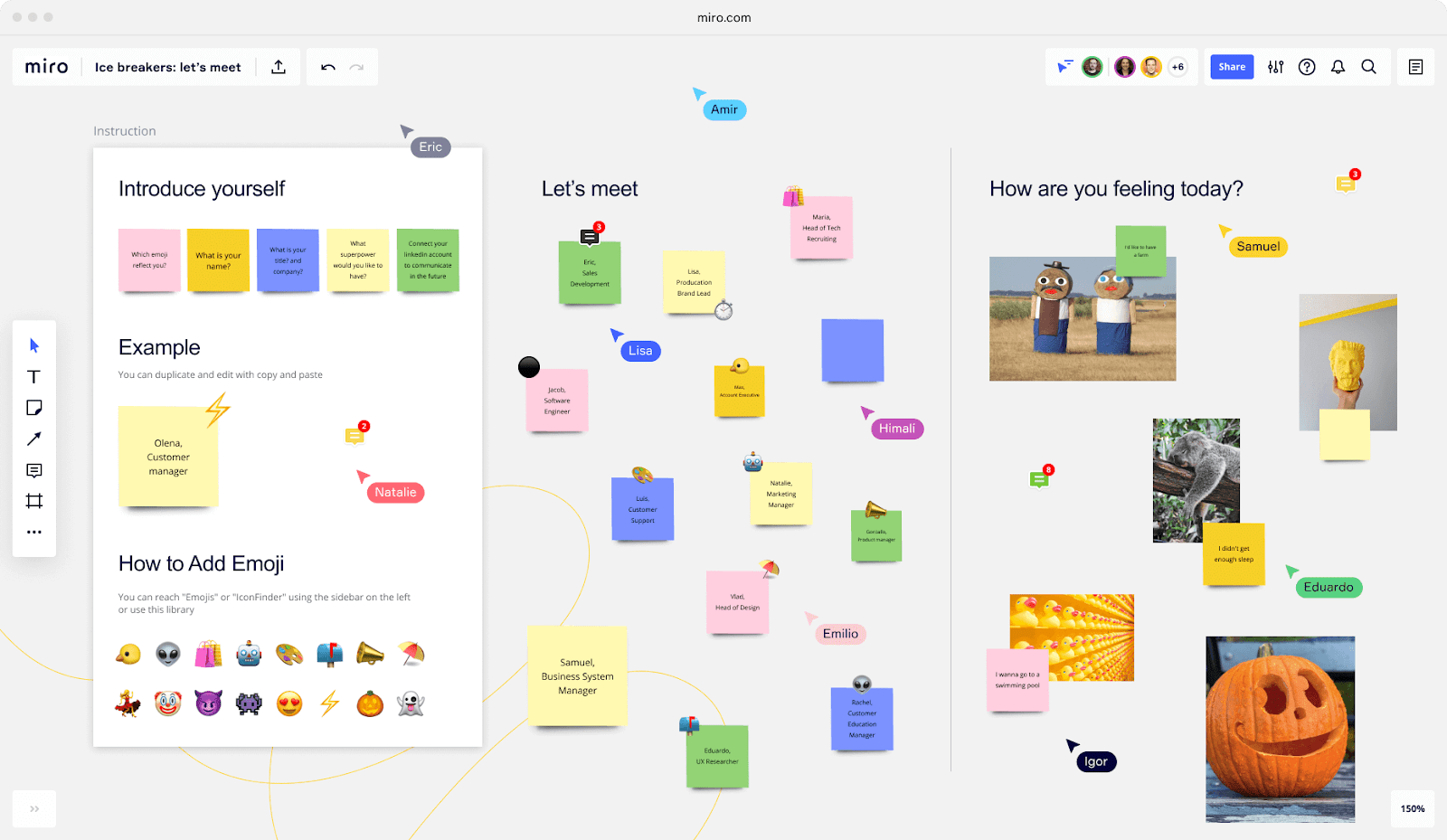
While plenty of roadblocks present themselves when working from home, there are just as many, if not more, conveniences when it comes to this new way of working. For one, working remotely allows you to work wherever you can be your most creative self. When we get to work in an environment of our choosing, we are afforded the chance to step away, reevaluate, and mentally reset on a particularly intensive project. In line with that, designers have found ways to drastically adapt to the now remote world via online meeting spaces such as Zoom and Google Meets, or employing virtual whiteboards like Jamboards and Miro. Another great resource designers have uncovered while working from home is digital prototyping tools such as InVision, Adobe XD, and Figma. Implementing these tools and resources into your daily workflow will help facilitate collaboration by making it feel like you’re back in the office, sitting right next to your coworker.
Tools & Resources
Online Whiteboards
Digital Prototyping Tools
It may read as an oxymoron, but believe it or not, many opportunities present themselves when you’re an employee away from the office and feel that your resources are limited. Constraints often yield creative solutions.
The best place to start is by turning what are seemingly barriers into opportunities for creative problem solving. Although budgets might be tighter, or you have fewer assets at your disposal, it affords you the chance to exhibit your creativity in a creative industry. Having increased constraints can give you room to refine and improve your designs in ways that you might not have originally thought of. Ultimately, while limitations can certainly feel restrictive, if you dig just a little deeper, you might just find that they are a chance to come up with something new.
It’s more than apparent, yet still fair to say that the years of the pandemic were easy on no one. Still yet, now is the time for you as a designer and all-around creative to stand strong and persevere in the changes that have resulted. Creative industries have always been a source of inspiration and direction, and now more so than ever. Ultimately, we must do what designers have always done best, and take obstacles presented to us and reframe them into opportunities. While working from home, seize the opportunity to take a breather and discover new resources. Find new perspectives by taking what seem to be limitations and recasting them into a chance for growth and development. Finally, capture the chance to be unrelenting in bringing your goals to fruition. Concisely, don’t stop designing!
Kick-start your design career today and apply to the Design Studies Institute!